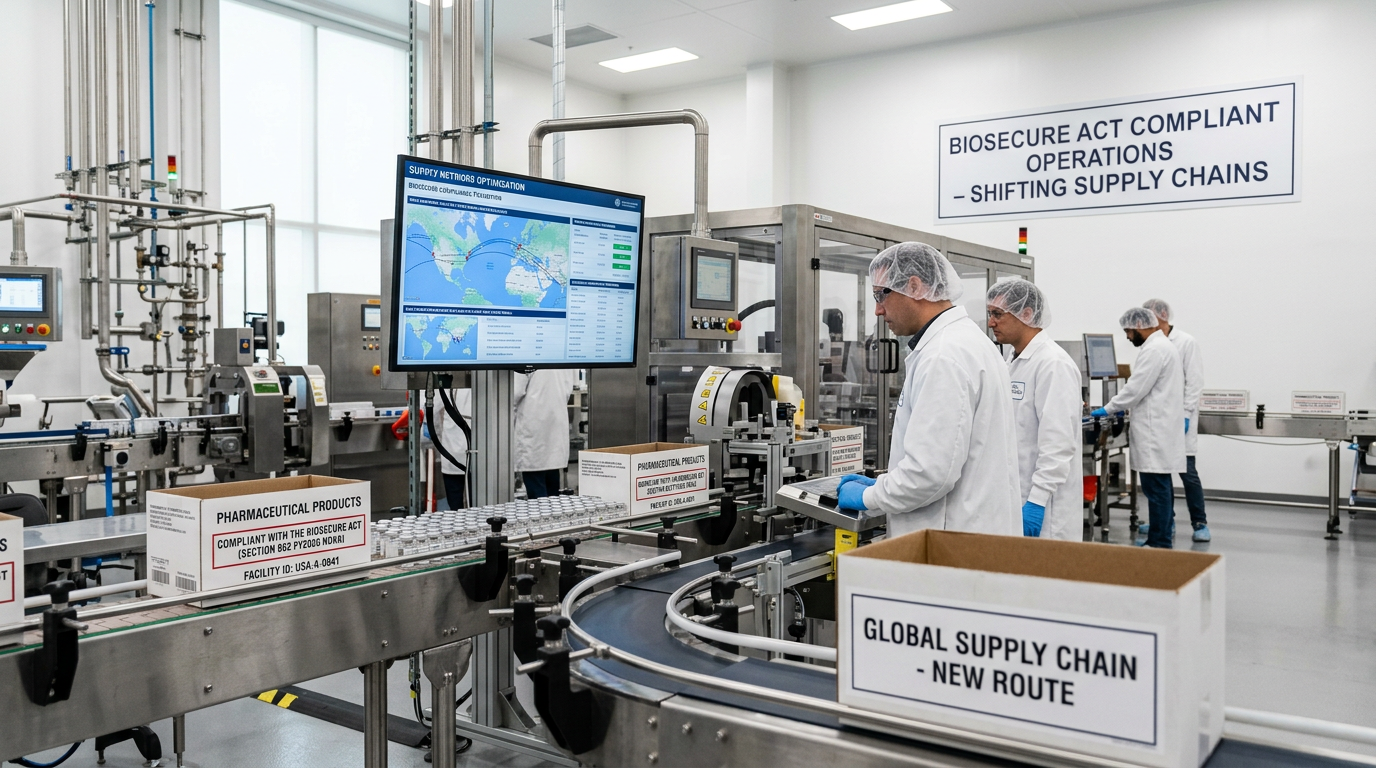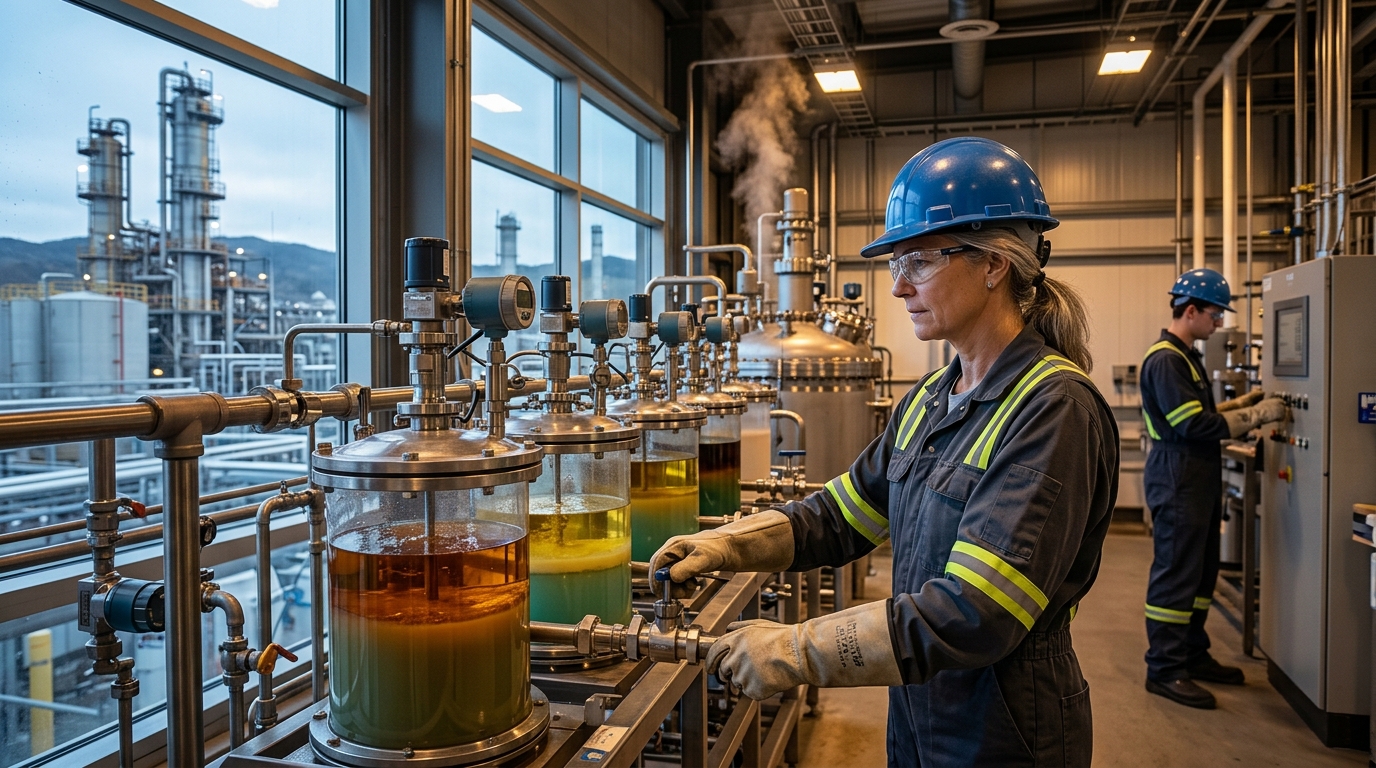
Forget the mine. The competitive moat in rare earths belongs to whoever controls the separation circuit, and right now one country holds 91% of it.
That IEA figure frames a more precise question than the one dominating headlines this week. The one-year suspension announced in November 2025 is set to expire on November 10, 2026, and the conversation has centered on which EV and battery makers are most exposed. The more durable investor question: who is building separation capacity that stays valuable for twenty years, regardless of what Beijing decides about the next truce?
Why the Midstream Is the Moat
China did not build its dominance by finding ore. It built it by mastering separation. The process demands specialized solvent extraction technology, significant capital, and proprietary chemistry refined over decades. Critically, the April 2025 licensing architecture requiring case-by-case export licenses for seven elements, including dysprosium and terbium, was never suspended. Those controls remain active today.
Project Vault, the $10 billion EXIM-backed reserve announced February 2, 2026, addresses the stockpile problem. It does not address the processing problem. Critics note that the reserve’s participant list is dominated by commodity traders and end-users, not the midstream operators controlling separation chokepoints. A stockpile buys time. Separation capacity buys independence.
MP Materials: The Clearest Refining Franchise
MP Materials (NYSE: MP) is advancing the most visible domestic separation build. In Q1 2026, Mountain Pass produced a record 917 metric tons of separated neodymium-praseodymium oxide, up 63% year on year. Adjusted EBITDA swung to positive $36.6 million from negative $2.7 million a year earlier.
The heavier work is where franchise logic sharpens. Management described heavy rare earth separation at Mountain Pass, targeting dysprosium and terbium, as imminent in the Q1 earnings materials. The Department of Defense structured its support accordingly: a $150 million DoD loan for separation expansion, a $400 million preferred equity stake, and a 10-year offtake agreement. The arrangement also includes a 10-year $110 per kilogram price floor for neodymium-praseodymium oxide products. No peer holds a comparable price guarantee. The 10X Facility in Northlake, Texas, financed with $1 billion in commercial debt from JPMorgan Chase and Goldman Sachs, targets 10,000 metric tons per year of magnet manufacturing capacity.
USA Rare Earth: Feedstock-First Strategy
USA Rare Earth (Nasdaq: USAR) took a different route. Its April 2026 agreement to acquire Brazil’s Serra Verde for an implied value of about $2.8 billion secured a producing rare earth mine outside Asia that says it can supply all four key magnetic elements at scale. The merger is expected to close after an August 28 shareholder vote. A U.S. government-backed special purpose vehicle, capitalized at $1.55 billion including a $750 million Department of War commitment, will purchase 100% of Serra Verde’s Phase 1 output. Round Top separation in Texas targets 8,000 metric tons per year capacity.
What Could Go Wrong
Execution is the honest counterargument. Separation requires infrastructure China has refined over decades. MP’s downstream build remains in early commercialization. USAR’s integration spans three continents. Industry analysts broadly expect diversification of global rare earth processing to remain gradual and capital-intensive through the decade. A renewed November truce could temporarily ease the price dynamics that make Western refining economics attractive.
The Long-Term Verdict
November 10 resolves in eleven weeks. The separation franchise does not resolve on that timeline. Mountain Pass and Round Top are aimed at a structural gap that exists whether Beijing renews the controls or not. The investor question is not what happens to the truce. It is who owns the refining capacity when the next one is negotiated.