The IMF’s World Economic Outlook is set to take center stage at the Annual Meetings in Bangkok next week, and for once the headline figure is almost beside the point. Global growth is projected at 3.0 percent for 2026 and 3.4 percent for 2027, broadly unchanged cumulatively from the April 2026 World Economic Outlook, as the IMF put it in its July 2026 update. Steady. Resilient. The kind of number a finance minister can live with.
The bond market is saying something different.
The yield on the 10-year Treasury note finished October 9 at 5.24%, while the 2-year note ended at 4.80%. Earlier this week, the benchmark 10-year yield touched its highest level since 2002. That is not the configuration you see when markets believe a 3.0% growth forecast is clean. It is the configuration you see when markets believe inflation has staying power, debt issuance is accelerating, and central banks are not done.
The outlook is uneven: the war shock is weighing on energy importers and vulnerable economies, while AI-driven demand is lifting countries integrated into the global technology value chain. That line from the IMF’s July WEO update is the key to reading the whole report. It is not a 3.0% world in any uniform sense. It is a world that averages to 3.0% across profoundly different trajectories.
In remarks previewing the Bangkok meetings, Managing Director Kristalina Georgieva said the world was being pulled in two directions: a negative energy supply shock from the Middle East conflicts and a positive demand shock from artificial intelligence that is also fuelling inflation. Oil has been trading around $100 a barrel, and refinery margins for diesel have at times been near $100 per barrel as supplies tightened. Natural gas availability is also under pressure, as heightened risks to shipping through the Strait of Hormuz have raised concerns about LNG flows and supply to importers in Asia and Europe.
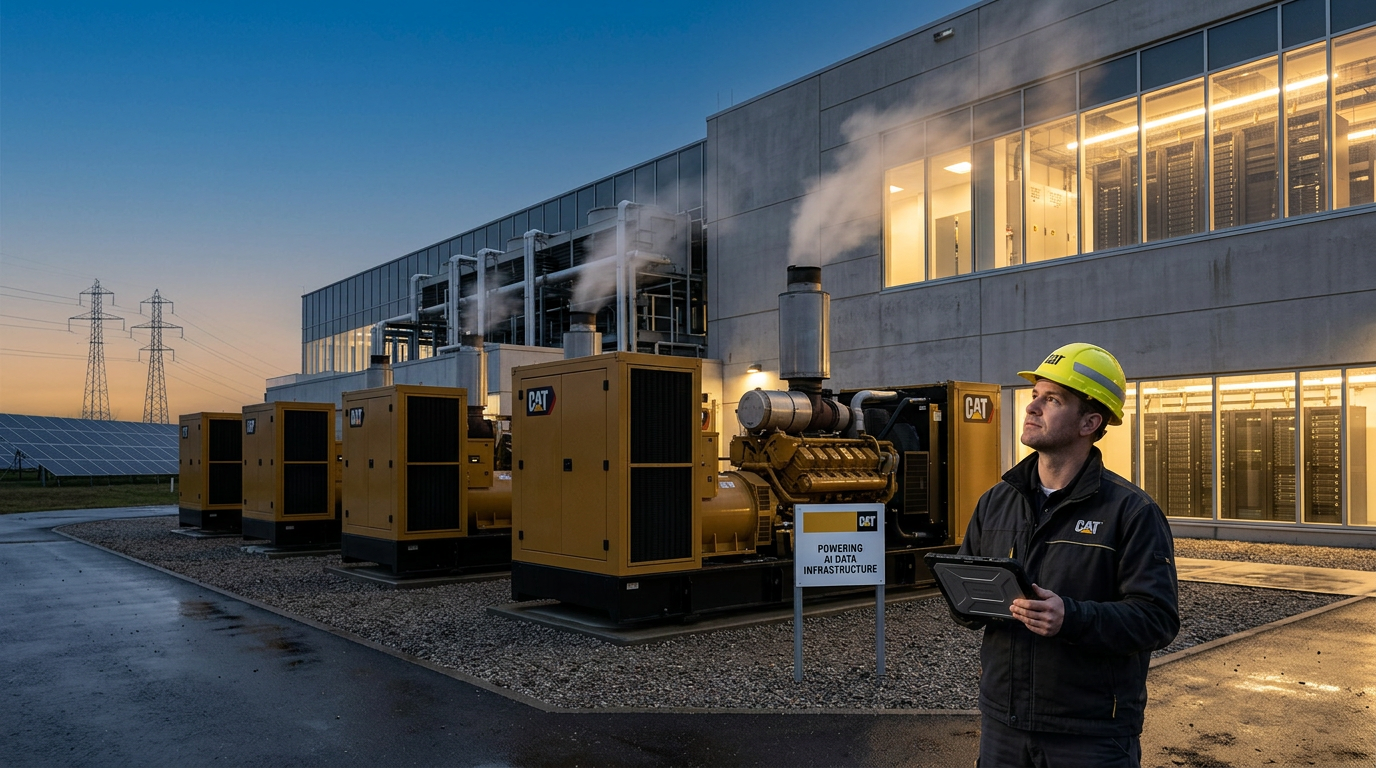
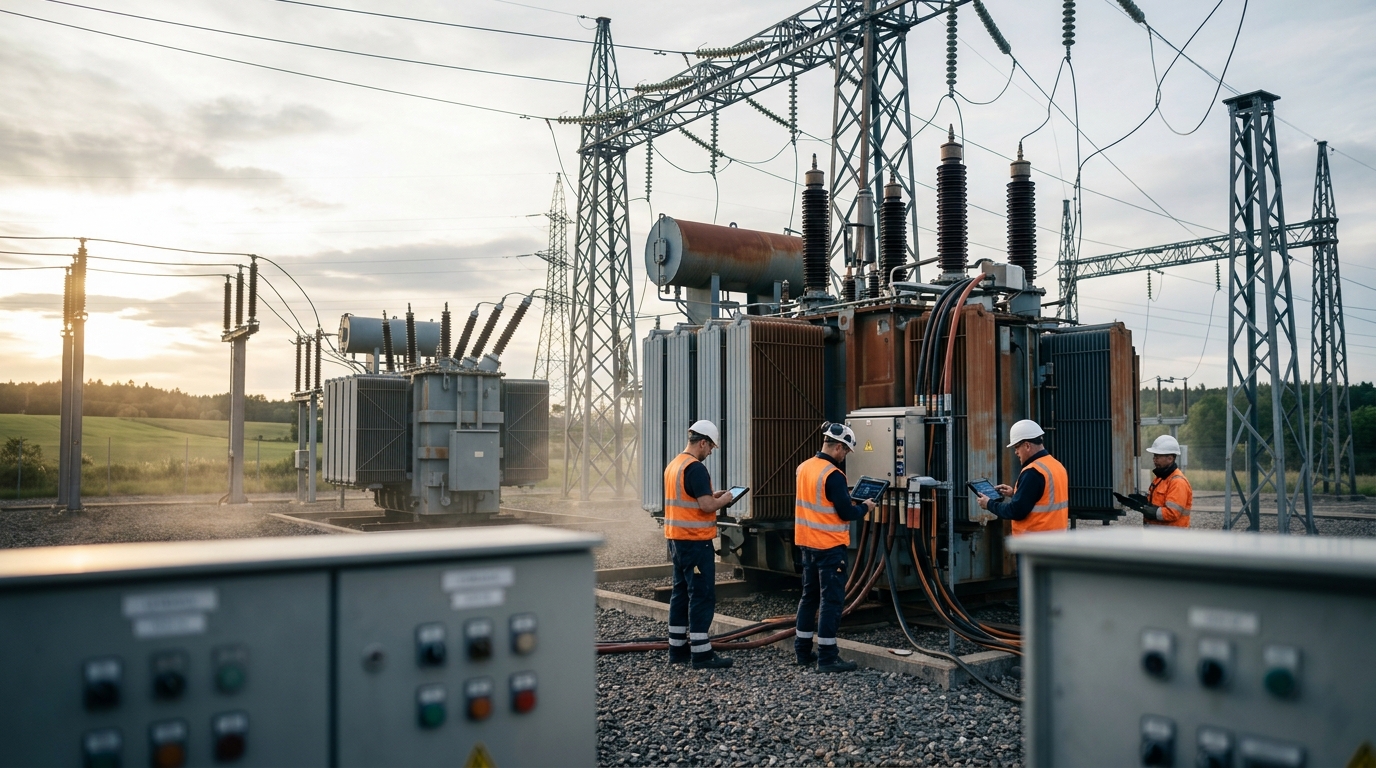
Here is the friction the WEO will not fully resolve: the same AI investment surge that supports the growth forecast is also absorbing capital, driving electricity demand, and adding to the inflationary pressures keeping yields elevated. The growing electricity requirements of data centres and AI infrastructure are adding another layer of pressure to global energy demand. Growth and the conditions undermining growth are, at the moment, the same force.
The fiscal picture makes this harder, not easier. Global public debt rose to just under 94 percent of GDP in 2025 and is set to reach 100 percent by 2029, one year earlier than projected in April 2025, according to the IMF’s April 2026 Fiscal Monitor. Georgieva has singled out advanced economies, led by the United States, as among the worst offenders on debt loads, and warned that policymakers can no longer rely on higher growth rates alone to solve fiscal problems.
Georgieva has urged central banks to maintain a “prudently hawkish bias,” signalling that policymakers should remain cautious about easing monetary conditions while inflation risks persist. That posture, combined with the debt trajectory the Fiscal Monitor already documented, is precisely why the bond market has reset so sharply. Over the past month, the 10-year yield has edged up by about 0.27 percentage point and is about 1.20 percentage points higher than a year ago.
The WEO’s 3.0% projection is not wrong, but it describes a world where the costs of sustaining that growth are rising fast. The largest downgrades are likely to be concentrated in war-ravaged or directly hit economies, while the AI boom is showing up most clearly in a narrow set of places with deep ties to the technology supply chain.
What to watch when the full report lands: whether the Fund revises its term-premium assumptions, how explicitly it addresses the feedback loop between AI energy demand and energy-driven inflation, and whether it says anything new about fiscal sustainability at yields above 5%. Those are the questions the headline growth figure cannot answer on its own.