July 31, 2026
Apple’s $5T Margin Problem
A record quarter, a leadership handoff, and a semiconductor crunch that changes the investment calculus.
First a note from The Oxford Club
Dear Reader,
When the next big IPO is announced, most investors will be locked out.
That’s how it works…
The big banks.
The hedge funds.
The Wall Street insiders.
They get in early… while everyone else waits.
By the time regular investors can buy shares, the easy money is gone.
But I just got off the phone with Dr. Mark Skousen… the newest editor at Oxford Club.
The same economist who’s worked for the CIA and personally met four US presidents.
And he’s found something extraordinary…
A ‘backdoor’ way into Peter Thiel’s biggest bet… BEFORE the IPO is even announced.
And he is giving away the name and ticker right now… for FREE.
Dr. Skousen has put together a detailed report on this unprecedented opportunity.
Click here to get your free PRE-IPO ticker.
Good investing,
Rachel Gearhart
Publisher, The Oxford Club
Apple’s $5 Trillion Margin Problem
Today’s Wealth Opportunity
Apple just reported the strongest June quarter in its history. Revenue of $109.4 billion. iPhone revenue up 22% year over year to a June record. Operating cash flow of $34.4 billion, also a record for the period. The stock fell 6% after hours anyway.
That reaction tells you more about the current moment in Apple’s story than the earnings themselves do. The market is not arguing with the past. It is pricing the future: a multi-quarter margin compression driven by a global memory shortage, arriving precisely as the company hands its top job to a new chief executive for the first time since 2011. For investors who understand what is actually happening, this confluence creates a decision point worth examining carefully.
The Bigger Trend
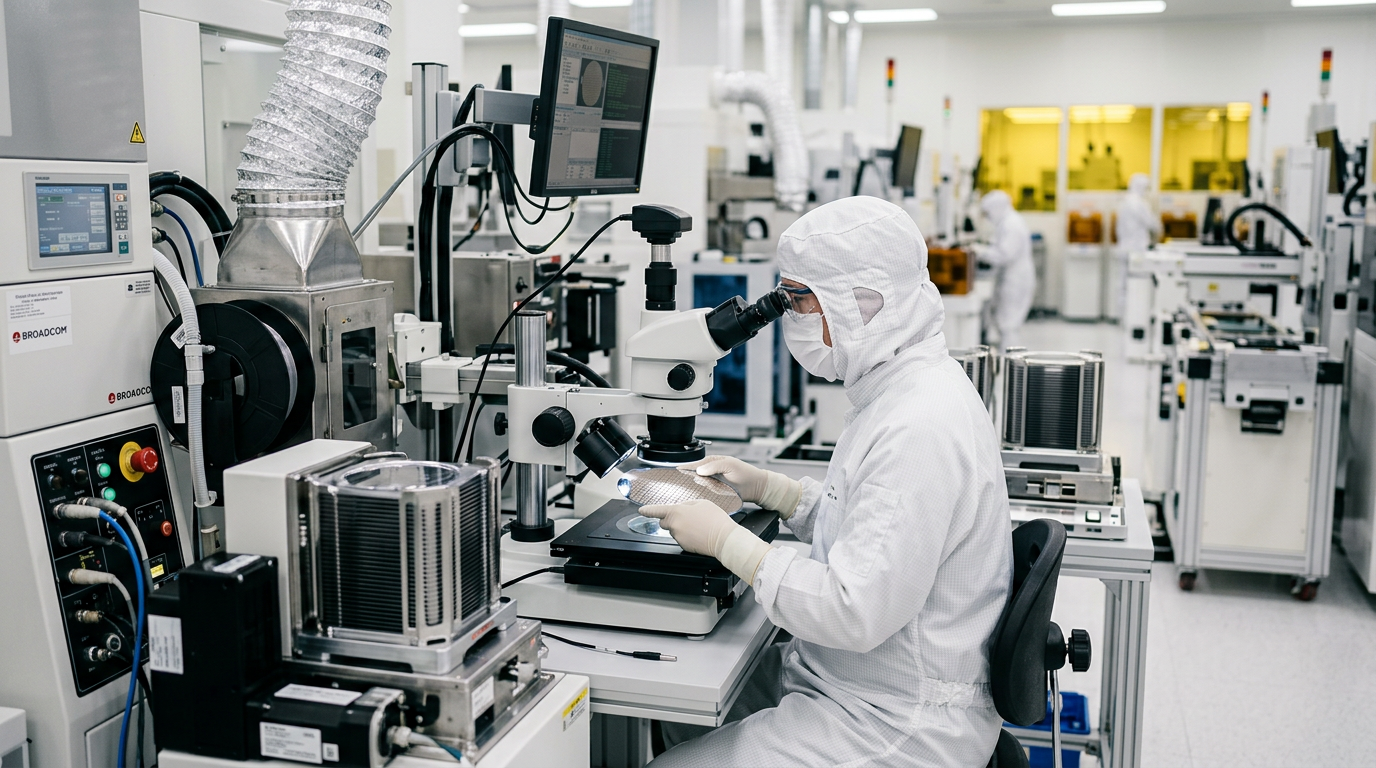
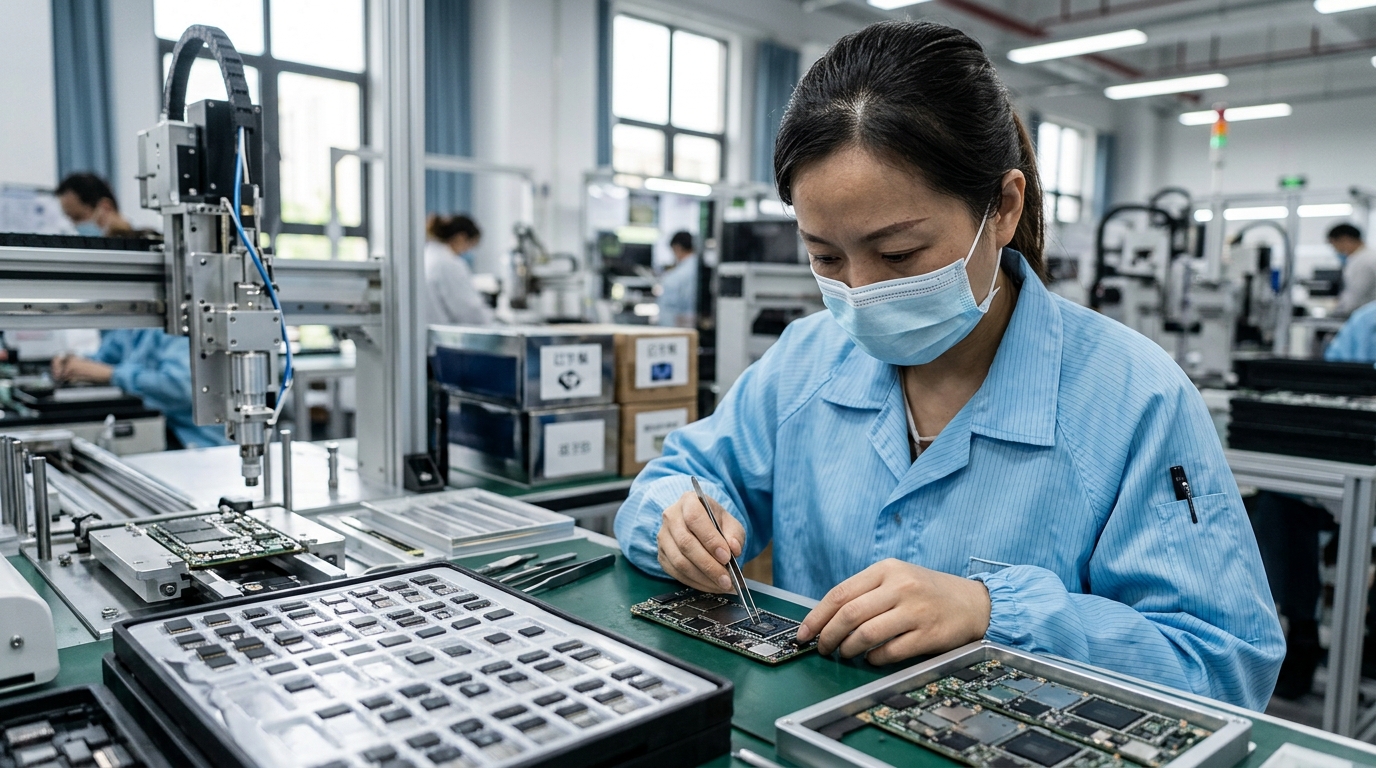
The AI buildout has quietly become one of the most disruptive forces in consumer electronics cost structures. Data center operators are absorbing every unit of high-bandwidth memory that Samsung, SK Hynix, and Micron can produce, pulling fabrication capacity away from the low-power DRAM that goes inside smartphones. The result is a shortage that Tim Cook, on his final earnings call as CEO, described as a “100-year flood” with exponential price increases.
This is not a short-cycle disruption. According to one industry analyst cited in recent reports, DRAM prices rose roughly 98% in the first quarter of 2026 alone, and meaningful relief is not expected before late 2027. Apple is being asked to build the world’s most popular consumer device while the cost of its most essential component inflates at a rate that has no modern precedent in the smartphone industry.
Every major device maker faces this pressure. But Apple faces it at a scale no other consumer hardware company can match. It ships tens of millions of iPhones each quarter. When memory costs jump, the impact runs across every unit, every storage tier, every model. That is not a company-specific problem. It is a structural market reality, and it will define device economics well into 2027.
The Investment Case
Apple remains the most profitable consumer hardware franchise on earth, with an installed base that has now surpassed 2.5 billion active devices. That foundation does not disappear because memory costs rose. But investors are being asked to price a combination of risks they have not had to weigh simultaneously before.
Start with the financials. The headline Q3 gross margin of 50.1% carried an asterisk: strip out the 11-cent tariff refund benefit, and the adjusted gross margin was 48.1%, down 120 basis points sequentially from March. CFO Kevan Parekh said more than 100% of that sequential compression can be attributed to memory costs. For the September quarter, Apple guided gross margin to 47% to 48%. Adjusted for an anticipated one-point tariff benefit, the real midpoint sits around 46.5%. That is a meaningful step down from where the company operated as recently as fiscal Q2.
Then there is the Services deceleration. Revenue from the segment grew 12% year over year to a record $30.7 billion, but that compares to 16.3% growth in fiscal Q2. The September quarter guidance implies further slowing, with foreign exchange expected to subtract roughly five percentage points from Services growth year over year. Morgan Stanley’s analyst noted on the earnings call that the fiscal Q4 math implies Services growth below 10% as reported. That is a sharp turn for a business Apple has spent years promoting as its most dependable growth engine and the primary justification for its premium multiple.
The iPhone 18 launch in September is where the pricing tension becomes unavoidable. According to cost analysis from TechInsights cited by the Wall Street Journal, the 12GB of DRAM in an iPhone 18 Pro could cost Apple approximately $145 per unit, compared to roughly $39 for the same RAM in the iPhone 17 Pro. The 256GB flash storage cost could climb from around $13 to $51. Stack those increases across a full bill of materials and the base iPhone 18 Pro lands near $726 to build, versus $582 for its predecessor. Apple ran a 47% margin on the iPhone 17 Pro at $1,099. Holding that margin at the new cost structure would imply a retail price approaching $1,371.
Apple has not confirmed pricing. JP Morgan analysts estimate the iPhone 18 Pro will be $100 to $200 more expensive than the 17 Pro. Analyst Ming-Chi Kuo has argued Apple will try to hold the base price and absorb the margin hit to protect market share. A third possibility: Apple raises higher-storage tiers while holding the entry point, letting the upgrade ladder do the work quietly. None of these outcomes is currently priced with much conviction into a stock that entered Thursday’s session up roughly 24% year to date and briefly touching a $5 trillion market capitalization.
The leadership transition adds a layer of genuine uncertainty. On September 1, John Ternus becomes Apple’s eighth CEO, the first internal hardware engineer to hold the role. He brings 25 years at the company and deep fluency in the product decisions that will define the next cycle. What he inherits is a business navigating its most complex supply situation in years, an AI strategy under scrutiny, and a Services business whose growth trajectory has turned. His first earnings call as CEO will be in October. That call will be the market’s first real read on how post-Cook Apple thinks about pricing, margins, and the AI monetization roadmap.
Building Wealth Around This Idea
Apple is not a broken business. It is a business at an inflection point, and those are rarely the same thing. The question for long-term investors is whether the current selloff reflects a durable reset in intrinsic value or a temporary repricing of near-term margin uncertainty.
The case for patience rests on several anchors. The 2.5 billion active device installed base creates recurring Services revenue that compounds quietly even during hardware cycles. Paid subscriptions have exceeded 1.5 billion. The company holds a cash and securities position that gives it flexibility most competitors cannot match. And the AI integration Ternus inherits, including a newly reimagined Siri currently in public beta and receiving strong early reviews, could become a meaningful Services monetization lever. Cook confirmed on the call that Apple plans to offer premium iCloud+ tiers for users who want to use Siri AI extensively.
For investors already holding AAPL, the core question is time horizon. If the memory crunch persists through 2027 as most analysts expect, gross margins will remain pressured for at least two more full quarters. That is a known headwind. Selling now locks in the damage from a problem the market has already repriced, while forfeiting the recovery when memory supply eventually normalizes. For investors not yet positioned, the more interesting question is whether the September iPhone launch and the first Ternus earnings call in October create a clearer entry point at a lower multiple.
Within a diversified portfolio, AAPL plays a specific role: a high-quality, large-cap anchor with dividend growth potential and a durable competitive moat. It is not where you take concentrated risk. It is where you hold exposure to the largest consumer technology ecosystem on earth while that ecosystem navigates a well-defined, temporary cost shock. Position sizing should reflect that: meaningful, not outsized.
Pentagon Just Signed $26 Billion With This Company – And You Can Get Pre-IPO Exposure
Led by a man many are calling “the next Elon Musk”… his company is already working with every branch of the U.S. military.
What most people don’t realize is that you can still get pre-IPO exposure – for around $20.
A trusted VC just revealed how.
Click here to see the secret ticker – no email or credit card required.
Risks to Monitor
Memory costs have no visible near-term floor. DRAM prices rose roughly 98% in Q1 2026 and industry analysts do not expect stabilization before late 2027. Apple has already raised prices on Macs and iPads reluctantly; the iPhone is next. The market will not reward patience on this front until there is a concrete signal that contract memory pricing is rolling over.
Services growth is decelerating faster than expected. A business that was growing at 16% in fiscal Q2 is now guiding toward single-digit reported growth in fiscal Q4. Foreign exchange explains part of it, but App Store softness tied to mobile gaming weakness and business model changes is a separate, structural concern. The Services multiple embedded in AAPL’s valuation requires growth well above what the current trajectory implies.
iPhone 18 pricing is a binary risk with global consequences. If Apple raises Pro prices sharply to protect margins, it invites a competitive response from Huawei and Samsung at the high end of a market where Apple’s China share has only recently recovered. If it absorbs costs, holiday quarter gross margins compress further. Neither outcome has been priced. The September launch announcement will be one of the most consequential pricing decisions in Apple’s hardware history.
The Siri AI rollout is delayed in two of Apple’s most important markets. Regulatory hurdles are blocking the full launch of Siri AI in both the European Union and China. Cook confirmed on the call that EU negotiations for iPhone and iPad remain ongoing, while China has only approved the original Apple Intelligence feature set. Until those markets come online, the AI upgrade cycle will be partial at best.
Leadership transitions carry execution risk. Ternus is a credible choice with deep institutional knowledge. But he inherits a supply crisis, an AI credibility gap versus peers, and a Services business whose growth is slowing. First-year CEOs are judged on how they frame problems, not just how they solve them. His October call will matter enormously.
The Wealth Builder Scorecard
| Dimension | Assessment |
|---|---|
| Business Quality | Exceptional. 2.5B active devices, record operating cash flow, dominant platform economics. |
| Financial Strength | Strong. $34.4B operating cash flow in a single quarter; over $130B in cash and securities. |
| Growth Potential | Moderate near-term. September guidance of 9-11% growth reflects memory and FX headwinds. AI monetization is the long-term lever. |
| Competitive Advantage | Wide moat. Ecosystem lock-in, Apple Silicon, and brand loyalty create durable pricing power over time. |
| Valuation | Elevated. A premium multiple combined with compressing margins and decelerating Services growth demands careful entry discipline. |
| Income Potential | Modest but growing. Dividend yield is low but supported by a buyback program and consistent cash generation. |
| Risk Profile | Elevated in the near term. Memory cost trajectory, iPhone pricing decision, CEO transition, and Services deceleration are simultaneous headwinds. |
| Long-Term Outlook | Constructive. If Siri AI monetizes at scale and memory supply normalizes by late 2027, the current margin pressure resolves and the investment case strengthens materially. |
| Portfolio Fit | Core large-cap anchor. Suitable as a quality holding in a diversified portfolio; not a short-term trade. |
| Overall Wealth-Building Potential | Solid for patient investors willing to hold through a defined cost cycle. The business is sound; the timing is complex. |
What to Watch Next
- iPhone 18 Pro pricing announcement (September). The decision on whether to hold, raise, or engineer around costs through storage tiers will define gross margin for the next four quarters and signal how Ternus thinks about pricing discipline versus market share.
- Memory contract pricing data. Any sign that DRAM and NAND spot prices are topping out would be the most significant positive catalyst for AAPL between now and year-end. Watch Samsung and SK Hynix quarterly reports for early signals.
- John Ternus’s first earnings call (October). His comments on the AI roadmap, Services monetization, and supply chain strategy will constitute the market’s first real read on how post-Cook Apple thinks and communicates.
- Siri AI regulatory clearance in the EU and China. Approval in both markets would unlock AI-driven upgrade demand in two of Apple’s most consequential geographies and meaningfully accelerate the Services growth recovery.
- Services growth rate in fiscal Q4. If the business decelerates below 10% as reported, the valuation argument becomes harder to sustain regardless of what happens to memory costs.
Daily Wealth Takeaway
Apple’s Q3 results were not the problem. The problem is what comes next, and that is exactly the kind of situation that rewards investors who can separate a company’s long-term competitive position from its short-term cost cycle.
The memory crunch is real. The Services deceleration is real. The leadership transition adds genuine uncertainty. None of those facts changes the underlying reality: Apple operates the most valuable consumer technology ecosystem on earth, with 2.5 billion active devices generating recurring revenue and the cash flow to outlast almost any supply shock.
The enduring lesson here is one that applies far beyond Apple. Temporary cost shocks in high-quality businesses create repricing events, not permanent impairments. The investors who build lasting wealth are the ones who understand that distinction clearly and act on it with discipline rather than reacting to an after-hours decline. The September iPhone launch and the October earnings call will tell you a great deal about whether this moment is an entry point or a warning. For now, the smarter posture is to watch, understand what you own, and resist the impulse to make permanent decisions based on a 48-hour reaction to a supply problem that has a known, if distant, resolution.
Invest wisely,
The Investing Wealth Daily Team