Here is the question Alphabet investors should be asking this morning: if Waymo can put 100 driverless taxis on Tokyo’s streets without Alphabet owning the fleet, what does that mean for the $1.8 billion quarterly loss sitting inside Other Bets?
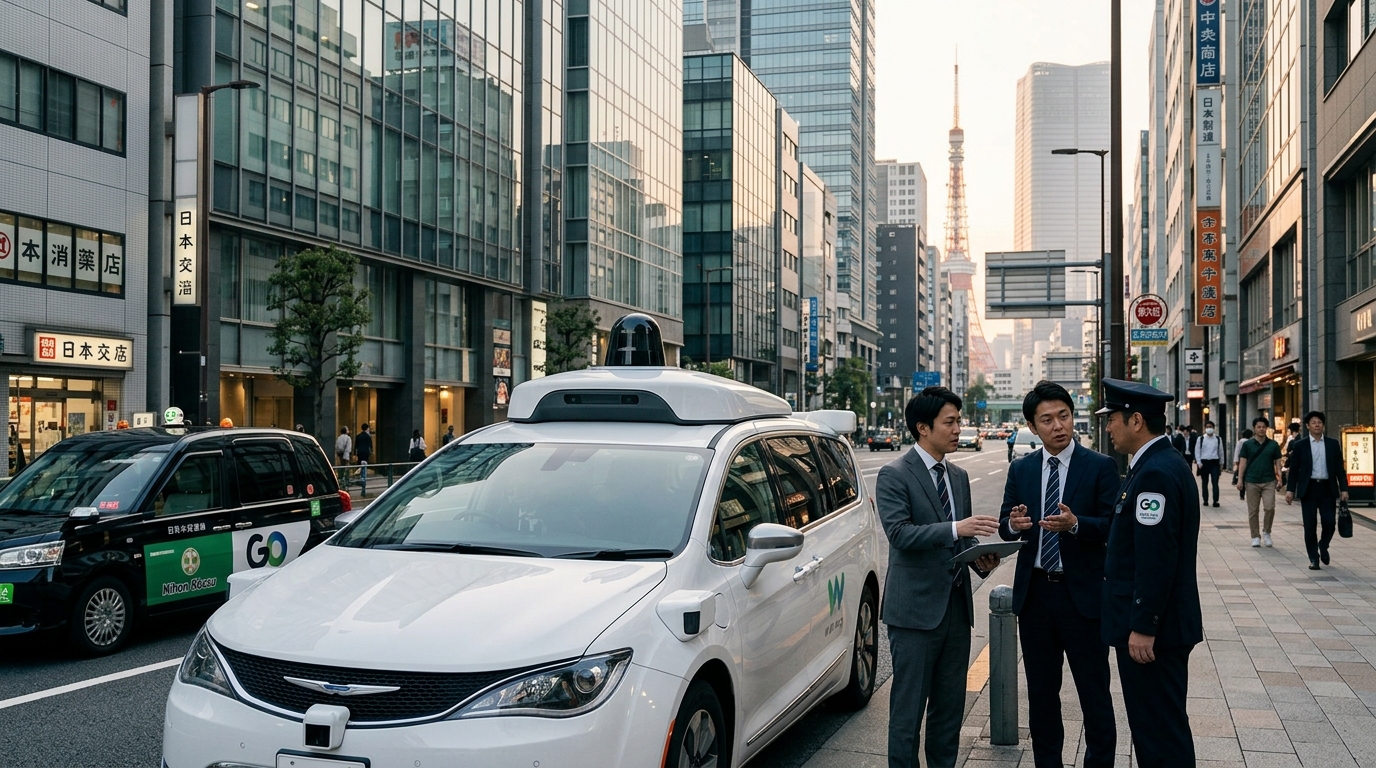
Waymo will partner with Japanese taxi firms GO and Nihon Kotsu to prepare for a fully autonomous service in Tokyo in 2027, with the companies expecting to start with a small fleet and then expand gradually to around 100 vehicles. It has been preparing for Tokyo by bringing vehicles to Japan and starting public-road operations with Nihon Kotsu crew members behind the wheel. The announcement is the most consequential detail in how the deal is structured, not just where it is going.
Nihon Kotsu, Tokyo’s largest taxi company, will handle operational management and depot operations on the ground. Waymo supplies the autonomous driving system, the operating platform, and the fleet management software. GO will handle coordination with taxi operators and the overall design of how Waymo’s technology fits into the Japanese taxi industry. Waymo provides the brain. Its partners absorb the balance-sheet weight of running the cars.
That division of labor matters because the financial picture at Other Bets is under real pressure. Alphabet’s Other Bets segment, which houses Waymo, reported $382 million of revenue against a $1.8 billion operating loss in the second quarter of 2026. Waymo’s ride volume has been accelerating, but the segment loss widened versus the year-ago quarter. More cities, more cars, wider losses.
Tokyo, structured the way it is, offers a different path. The Tokyo service would give Waymo a foothold in Japan’s taxi market while allowing GO and Nihon Kotsu to add autonomous rides to an existing booking and taxi network. Waymo gets the geographic footprint and the data. Its partners absorb fleet capital and depot costs. Rides will be bookable through both the GO app and the Waymo app, which Waymo has positioned as a key part of this Japan rollout. That reach, built on someone else’s infrastructure, is the model worth watching.
Waymo leadership has said the company is now providing more than 500,000 paid rides every week. Scale and safety are not the problem. The problem is converting operational density into margin, and the Tokyo structure at least avoids adding to fleet depreciation while the core U.S. business catches up.
The regulatory path is not clear yet. Waymo and its partners say they are working with relevant ministries and authorities to secure the permits and licenses needed for commercial operations. An approval timeline that slips into late 2027 or beyond would delay any revenue contribution and give competitors more time to establish local relationships.
There is also the broader question of whether the partner model can scale fast enough to move the segment financials at all. A $16 billion funding round led by Dragoneer, DST Global, and Sequoia Capital valued Waymo at $126 billion post-money earlier this year. At that number, 100 Tokyo taxis are a rounding error on valuation. What they represent is a proof of concept for expanding without proportionally expanding losses.
For Alphabet shareholders, the more relevant signal is structural: the next phase of Waymo’s international expansion may not look like the U.S. model at all. Watch for whether Munich, also targeted for a commercial rollout toward the end of 2027, follows the same playbook.