Copper traders have two live wires to watch at Escondida this week, and the second one is on the clock today.
BHP’s Escondida, the world’s largest copper mine, is gradually resuming operations after a fatal accident forced a temporary suspension. A worker was killed on September 23 in an accident during maintenance work. Chile’s mining regulator Sernageomin dispatched personnel to investigate, and operations cannot fully resume after a fatal accident until inspectors confirm the site is safe. No full restart timeline has been provided.
BHP says it “continues to assess the conditions for a gradual resumption of mine activities,” with investigations into the incident remaining ongoing as the restart plan progresses. That cautious language matters. Partial activity is not the same as full output, and the mine produced 1,261,200 tonnes in the year to June 30, 2026, a rate near 3,455 tonnes a day.
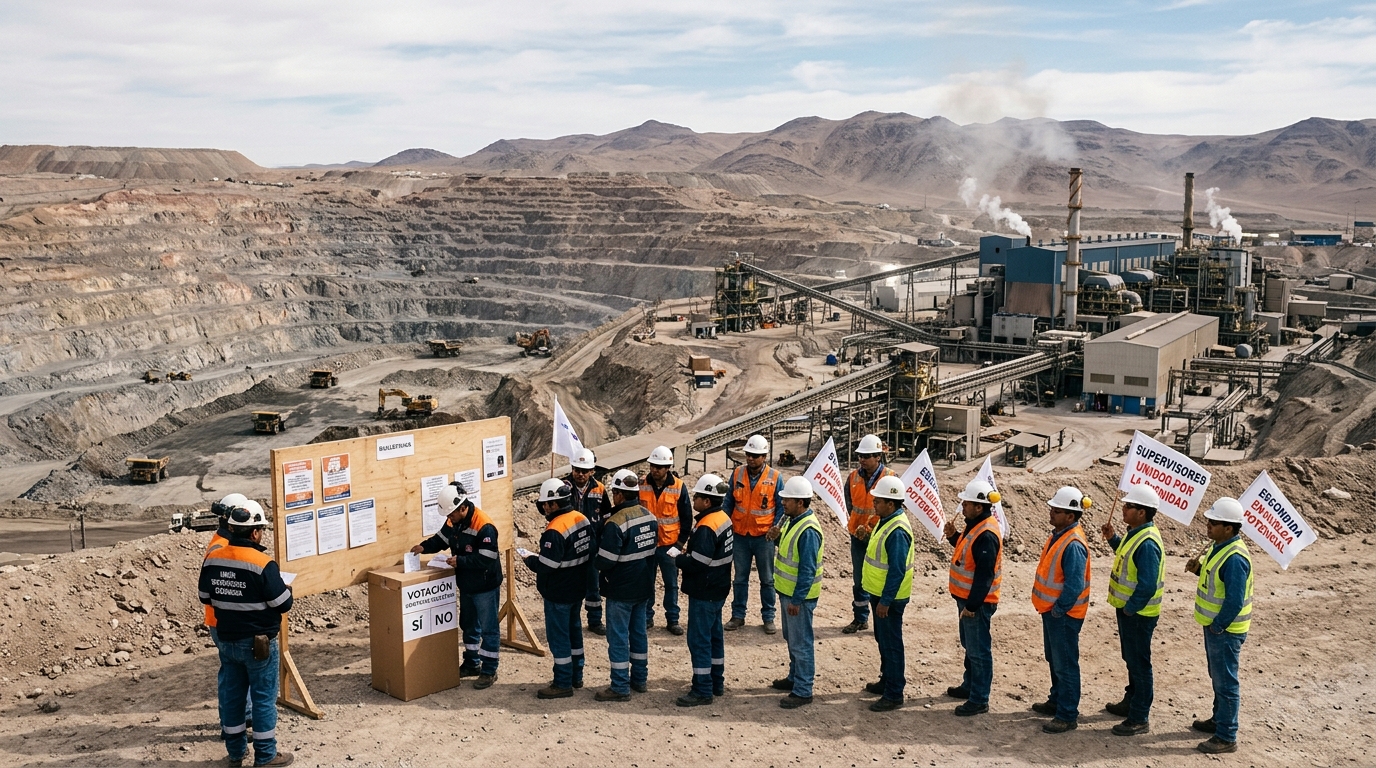
The labor situation adds a second pressure point. Sindicato N°2 de Supervisores y Staff, representing about 1,020 supervisors and employees, has urged members to reject the company’s final wage proposal and support strike action. The proposal is being voted on September 28 through 30. If members vote to reject the offer, a mandatory five-day government mediation follows before a legal strike can begin, with the period extendable by five more days by mutual agreement. Markets can map a narrow strike-risk window into early-to-mid October.
Both the supervisors’ union and the rank-and-file union rejected BHP’s request to pause collective bargaining, framing the pause attempt as exploiting the tragedy and insisting negotiations continue through the shutdown. The stalemate is real. Escondida is seeking to introduce a 14-days-on, 14-days-off shift schedule, but union president Alexis Barrera said the union would not accept the arrangement, adding that “the differences between the two sides remain significant, and an agreement is still a long way off.”
The price backdrop amplifies every headline out of the Atacama Desert. Copper surged to $6.95 a pound in the futures market on September 22, outpacing gold, with the industrial metal up nearly 20% year-to-date and 46% over the past year. LME three-month copper hit $14,875 per tonne on September 10. The inventory cushion is thin. Metal actually available in LME warehouses stood at 133,725 tonnes on September 21, roughly 39 days of the halted mine’s output.
The disruption magnifies supply pressures as multiple refineries in China schedule maintenance at the start of the fourth quarter. Shanghai Futures Exchange copper stockpiles stand at about 47,000 tonnes, near a cyclical low, ahead of China’s National Day Golden Week from October 1 through 7, when holidays are expected to pause restocking by Chinese consumers.
Stocks in Focus
BHP operates Escondida and owns 57.5%. The company produced around 2 million tonnes of copper across its portfolio in its latest financial year, with copper generating more than half of BHP’s underlying EBITDA for the first time. A prolonged shutdown or strike hits that directly.
FCX, SCCO, and Teck move in tight formation with copper prices. Despite a mid-September selloff, FCX, SCCO, and TECK remained up 40%, 42%, and 36% year to date, so the trend has not broken. The structural investment thesis for copper, including electrification, AI infrastructure buildout, and the green energy transition, remains intact. Any escalation at Escondida would be a direct catalyst for the group.
What to Watch
- The supervisors’ strike vote result, due by September 30. A rejection triggers mandatory mediation and puts a legal strike in play by mid-October.
- Sernageomin’s clearance pace. Full resumption requires inspector sign-off, not just BHP’s own assessment of operational readiness.
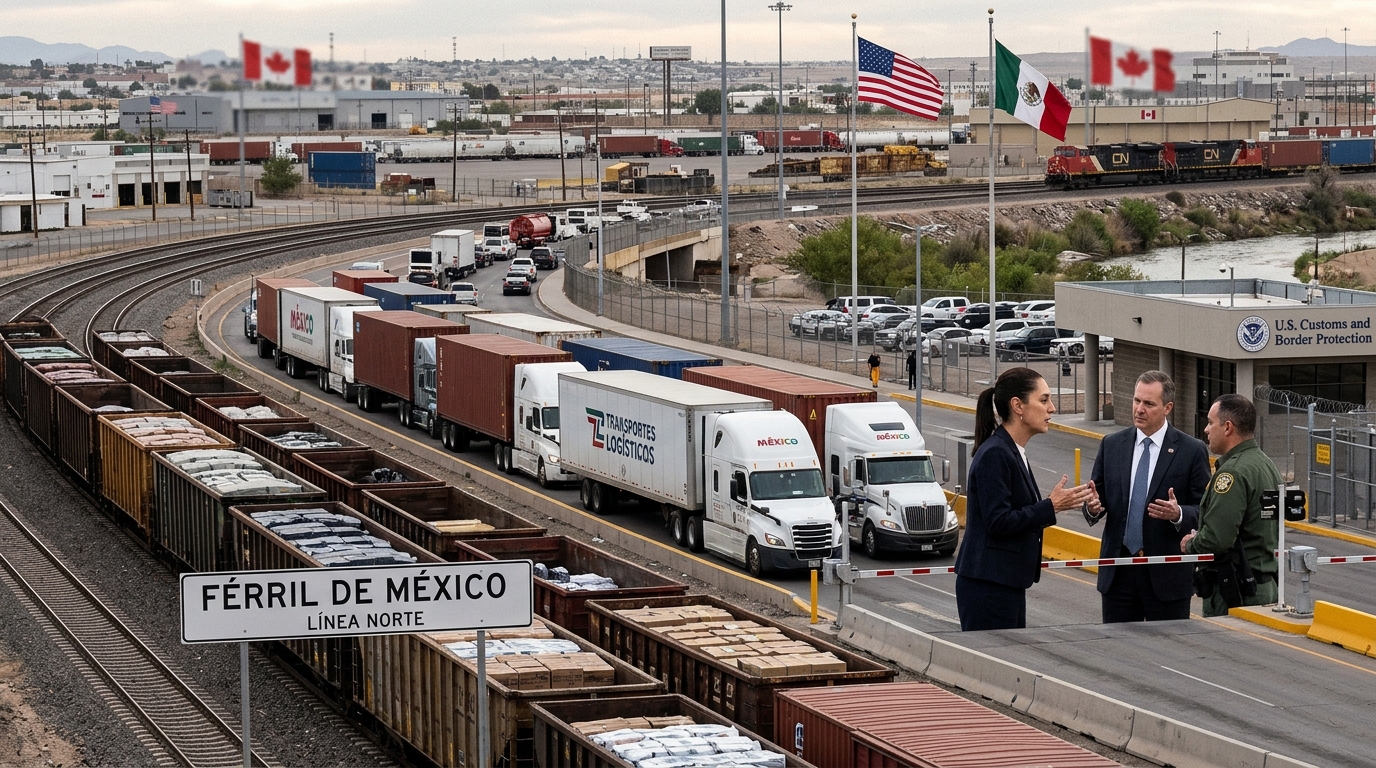
- The White House has yet to decide on imposing U.S. tariffs on refined copper, Reuters reported September 10, leaving markets focused on the potential policy move. A decision either way moves prices sharply.
- BHP has said its pipeline of copper projects could lift attributable copper output by about 40% by fiscal 2035, including an Escondida new concentrator project. Near-term disruptions do not change that, but they do compress the margin for error in 2026 production guidance.
The gradual restart is positive, but it is not the all-clear. With the strike vote open today and Sernageomin still running its investigation, Escondida remains a live supply risk at exactly the wrong moment for a market with less than 40 days of warehouse cover.