November 1, 2026
Bonus Content: The $1 Trillion Holiday Season Is Mostly Higher Prices
Right now, robots run the market.
As of 2019, 80% of all stock trading was done by high-efficiency algorithms and bots. That number has since increased.
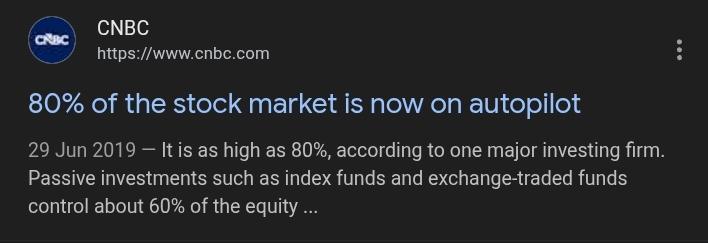
Wall Street is already letting unemotional, ruthless robots do their dirty work.
So why should you and I be left behind?
This is exactly why I developed K.I.R.A..
The advanced AI engine is designed to outclass any other tool you’ll find out there.
It goes without saying, of course, that K.I.R.A. won’t execute trades on your behalf.
However, it will hand you every single detail you need to help you take the trade yourself.
In fact, it isolates three different approaches to the same trade for you to choose from based on how much risk you’re willing to take on.
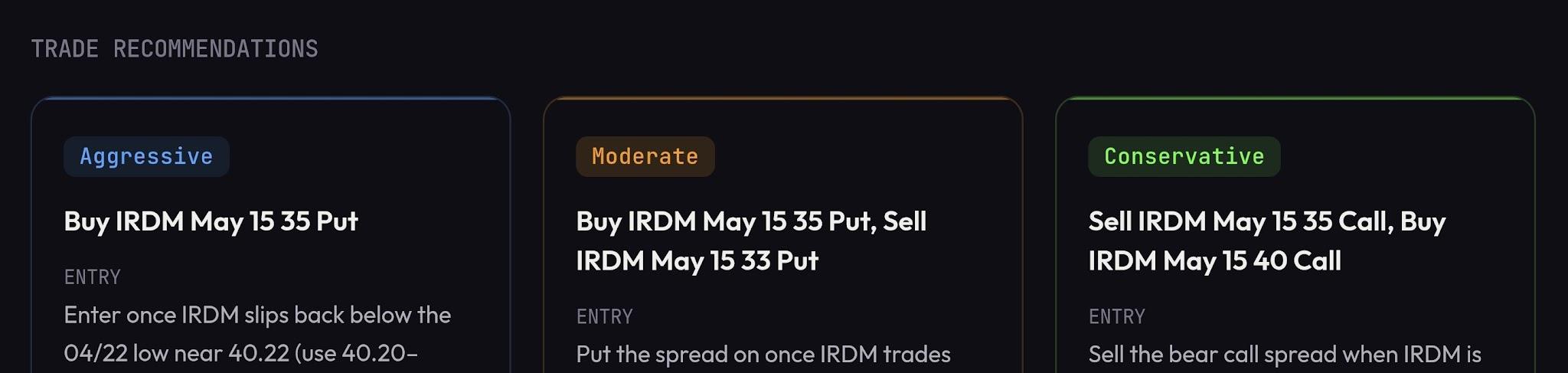
Now you don’t have to take my word for it.
You can fire K.I.R.A. up right now and see everything for yourself.
Till the next trade,
Lance Ippolito
The $1 Trillion Holiday Season Is Mostly Higher Prices
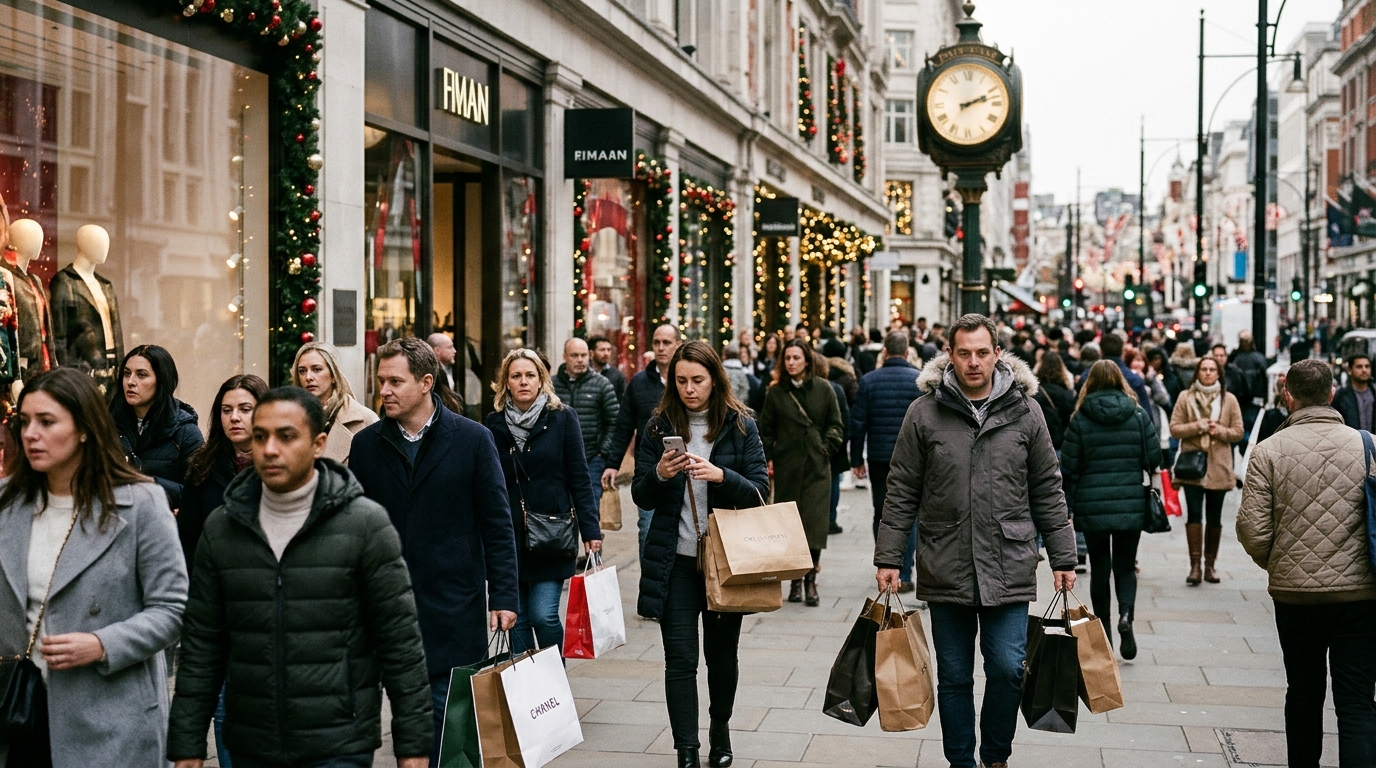
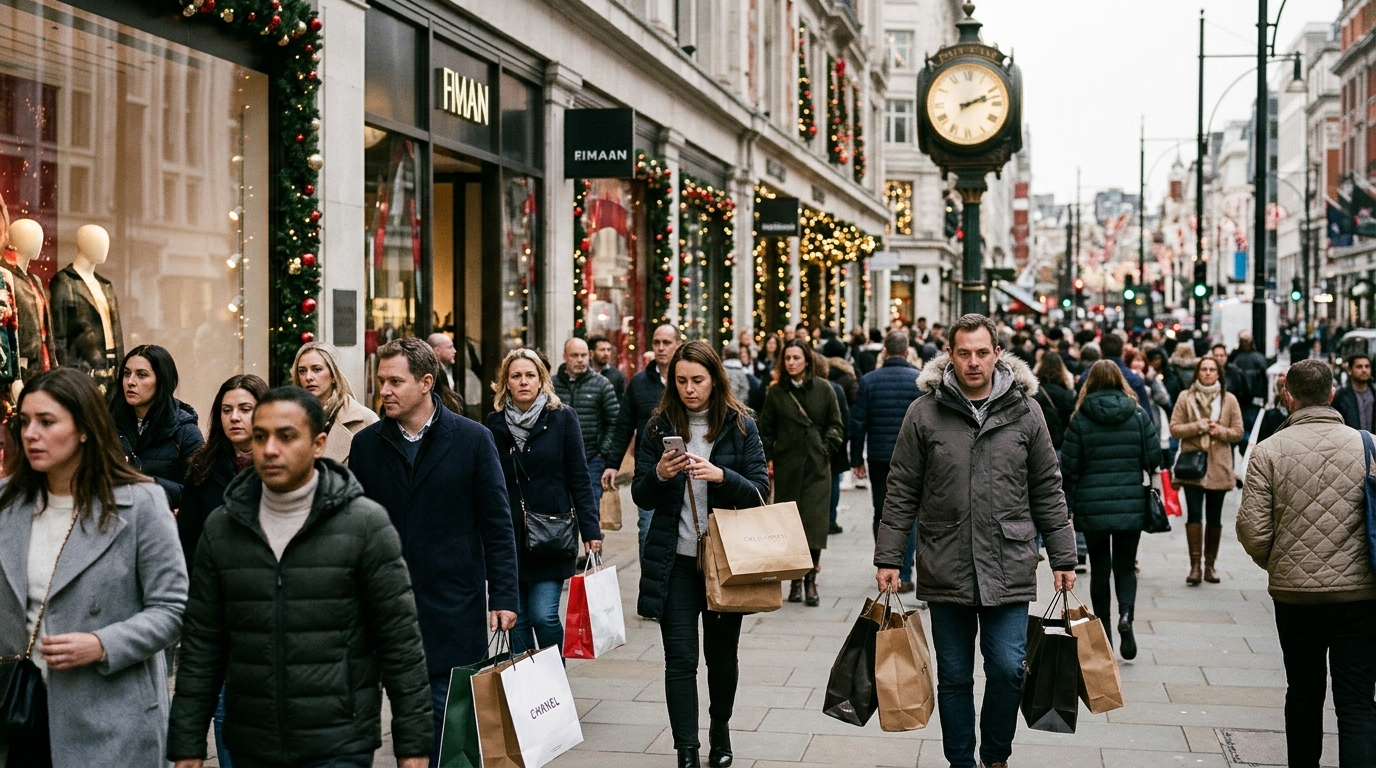
The holiday shopping season opens today, and the headlines sound flush: NRF expects retail sales in November and December to total $1.013 trillion, up 4.2% over 2025. The Mastercard Economics Institute goes further, forecasting 5.5% growth, which would mark the strongest holiday season since 2022. EY-Parthenon sits in the middle at 5.2%, calling it the strongest gain since 2021.
Those trillion-dollar figures deserve a closer read before you conclude that American consumers are thriving.
Most of the Growth Is the Price Tag
The NRF acknowledged, in its own forecast commentary, that core goods inflation is expected to average 2.5% in 2026, up from 1.6% in 2025, and that about half of its projected holiday growth is expected to come from real consumer spending rather than price increases. Mastercard’s figure is even more candid: about half of the 5.5% growth projection is expected to come from inflation, meaning roughly half of the increase in holiday spending could reflect consumers paying more rather than buying substantially more. EY-Parthenon puts real sales growth at just 2.9%, with prices accounting for the rest of its 5.2% headline.
A gallon of regular gas is running about 39% higher than a year ago, and diesel is up roughly 70% year over year, which raises costs across the entire supply chain. That diesel figure flows into everything from trucking to last-mile delivery, and it never shows up cleanly in a retail growth percentage.
The Conference Board’s Consumer Confidence Index fell 6.7 points in September to 81.9, its lowest level since April 2014, as households grew more pessimistic about both current conditions and the six-month outlook. Consumers feel worse about the economy than at almost any point in the past decade, yet the headline forecasts keep climbing. The gap between sentiment and spending is being filled with debt.
Borrowing to Give
About three in four holiday spenders will use a credit card for holiday-related expenses, while 38% plan to use buy now, pay later services. The latter figure matters because households often take on additional debt as they increase spending over the holidays.
The stress signals inside that data are harder to ignore. Among buy now, pay later users, 53% expect to still be paying for Black Friday purchases after January. Separate research from DealAid’s 2026 holiday shopping survey found that 22% of respondents were still paying off purchases from the broader 2025 holiday season. Consumers entering November already carrying last year’s gifts on installment plans are not the picture of resilience that trillion-dollar headlines imply.
Where the Smart Money Goes
For investors, this dynamic clarifies who wins and who gets squeezed. Value and convenience win; aspirational middle-ground retail loses.
Walmart is explicitly targeting this. The retailer is running a three-phase promotional campaign stretching from November 12 through December 2, targeting gift buyers, seasonal shoppers, and everyday essentials customers simultaneously. Amazon benefits from the same value-seeking shift online: Mastercard expects online spending to grow 11%, while in-store sales are forecast to rise just 3.6%.
The discount dynamic reshaping where consumers shop also reshapes which retailers survive the season. Amazon and Walmart can absorb deep promotional markdowns far more gracefully than specialty retailers competing for the same shrinking real unit count.
Mastercard itself earns a percentage of every dollar processed regardless of whether that dollar reflects a new purchase or a higher price on the same item. Its forecast is based on SpendingPulse data, which measures in-store and online retail spending across all forms of payment. A 5.5% nominal spending environment where roughly half the gain is inflation is still good for the payment network’s gross dollar volume.
The Wealth Builder Takeaway
Watch your own household before you watch the retail forecasts. Buy now, pay later can be a lifeline for families in a bind, but over-relying on credit can lead to future financial instability if families have a hard time keeping up with debt. A holiday season funded on installment plans is spending borrowed from January, February, and beyond.
For investors, the more durable observation is simpler: in an inflationary, credit-dependent consumer environment, owning the payment rails and the lowest-cost retail channels beats owning the brands competing for a shrinking real unit count. The trillion-dollar headline is real. So is the inflation that built most of it.