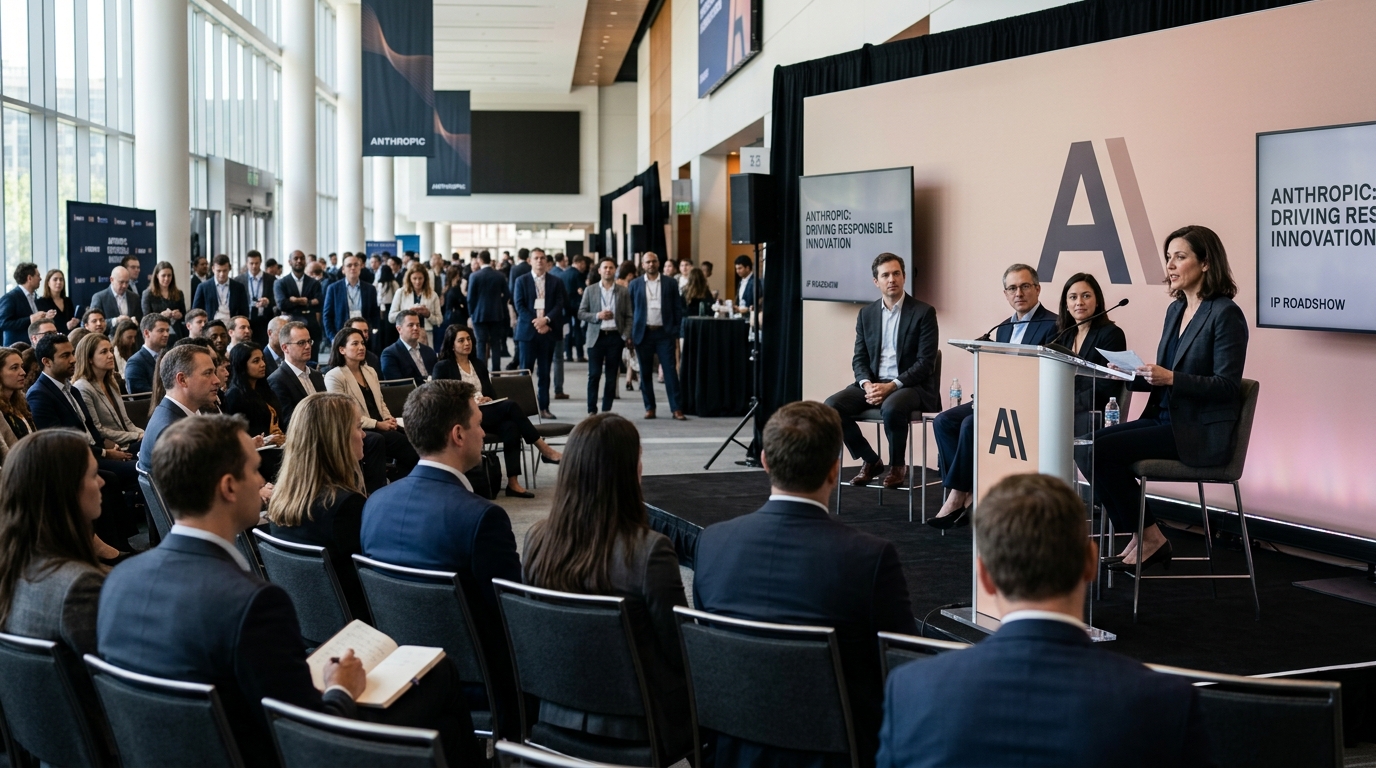
The timing is not subtle. One month before a widely reported Nasdaq debut, Anthropic announced it would commit 5% of its shares to a new Anthropic Public Benefit Fund, with the board able to add another 2 percentage points for every 50% rise in company value above a set baseline that has not been disclosed. Combined with founder and employee pledges already in place, roughly 20% of Anthropic shares will be dedicated to public benefit purposes, plus any additional percentage that could be added if the company reaches specific valuation milestones.
The structure is worth examining carefully. The fund will be established as a wholly owned LLC rather than a 501(c)(3) or other format, to give adjustability between different forms of giving. None of the equity held by the fund will be used for lobbying or political giving in the United States or internationally. That last guardrail is notable: it rules out one of the more obvious concerns investors might raise about a company with Anthropic’s Washington footprint.
For the IPO calendar, the bigger question is what this signals about investor appetite. Anthropic confidentially filed a draft S-1 with the SEC on June 1, 2026, following a Series H round that valued the company at about $965 billion. The listing date, price, and ticker are not confirmed, and media reports have said the timeline has already slipped once, from October to November. Reports now put the IPO in November 2026, with Nvidia reportedly in talks to join as an anchor investor.
The escalator mechanism is the part of the announcement that deserves the most scrutiny. The commitment is designed to grow with the company: the fund would receive an additional 2% of equity each time the company’s value rises 50% above a set baseline, with the board of directors deciding whether to make each addition. Board discretion is doing real work in that sentence. The trigger is automatic in the sense that valuation milestones set the ceiling, but each incremental transfer still requires a board decision. Public shareholders, once they exist, will have no formal mechanism to compel those transfers.
As a Delaware public benefit corporation, Anthropic’s board must weigh a stated public mission alongside shareholder returns. That legal structure already pulls in two directions. Layering a growing equity commitment on top of it adds another variable. Future shareholders in Google parent Alphabet or Microsoft, both of which have existing Anthropic stakes, will be watching to see whether the benefit fund framework aids or constrains Anthropic’s ability to allocate capital competitively.
The fund’s stated first priority is AI’s labor market effects. AI may generate enormous economic value, but it could also cause instability for many workers. Anthropic has already committed $200 million to studying and addressing this issue, but given the pace of AI progress, bolder approaches may be needed. The fund will have the versatility to pursue them. That framing is calibrated to address the loudest political concern about AI without constraining the fund to any specific program.
Watch the public S-1 when it drops. The actual governance language around the board’s discretion over incremental transfers, the valuation baseline, and how the LLC interacts with future shareholder rights will tell investors far more than the announcement did. A benefit fund that scales with company value is a clever structure. Whether it is a binding commitment or a soft pledge dressed in equity clothing depends entirely on what the prospectus says.