September 10, 2026
Bonus Content: Silver Hit $67. Now Comes the Harder Question.
The AI Boom Is Creating A Copper Wake-Up Call
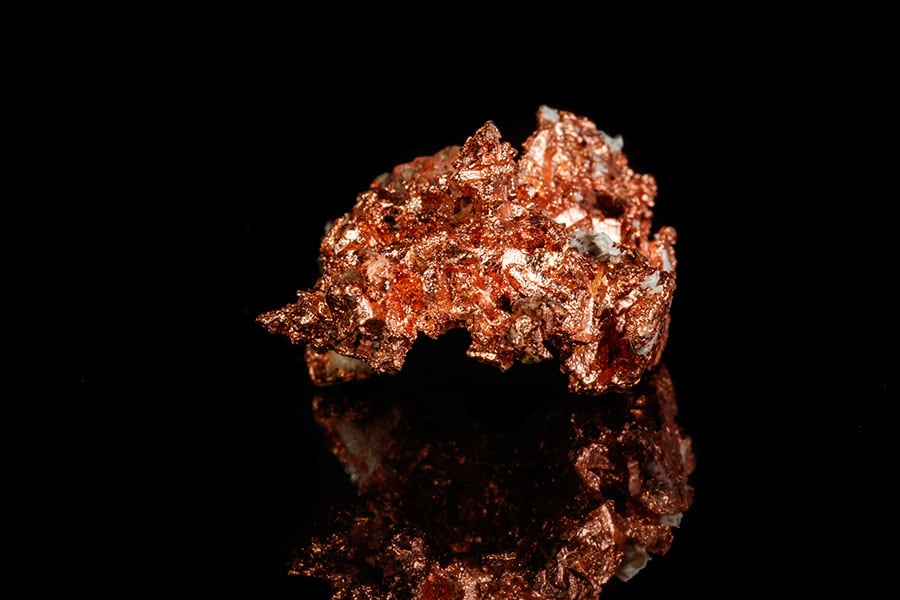
Critical metals are having a 2026 moment. And copper may be one of the biggest reasons why.
AI data centers need it. Power grids need it. Electrification needs it. So as demand rises, investors are starting to ask a much simpler question:
Where will the next supply come from?
In a world where critical mineral supply chains are getting more complicated, friendly copper stories are starting to matter more.
Future copper supply is not just about price. It is about location, access, permitting, funding, and whether a project can move forward in a world where new mines are getting harder to build.
That is where this small copper story comes in. It sits in one of North America’s most popular copper-gold regions. Plus, it has historical drilling and fresh exploration funding.
Copper is no longer just a commodity story. It is becoming a supply story.
Silver Hit $67. Now Comes the Harder Question.
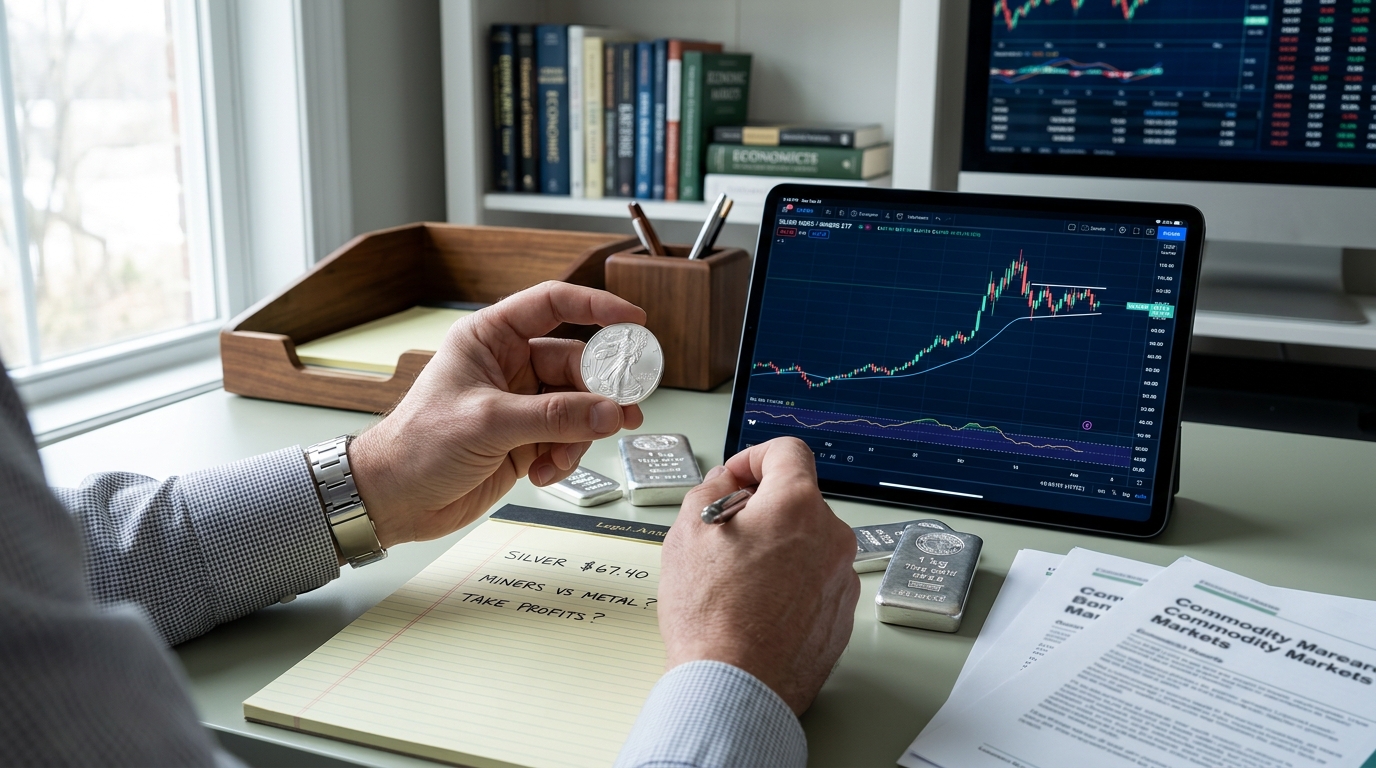
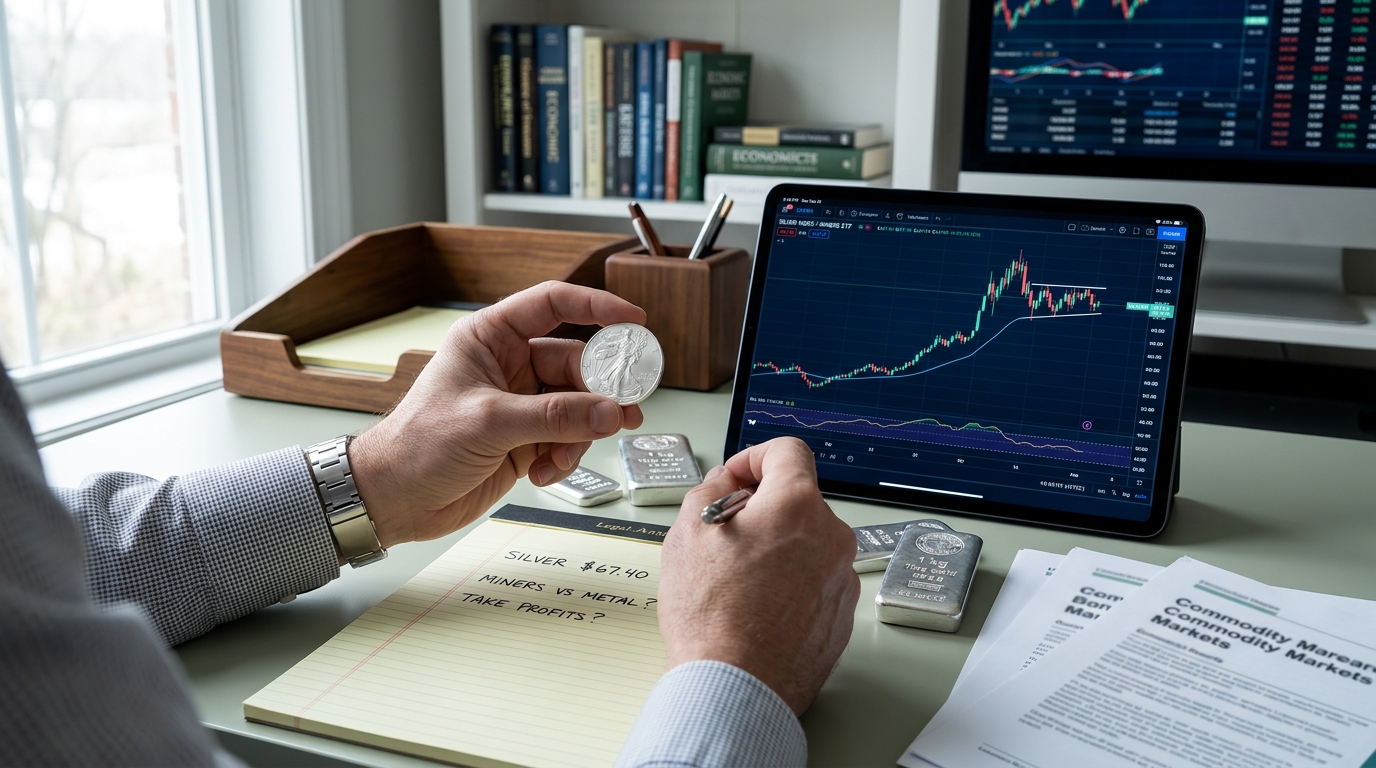
Silver is sitting at $67.40 this morning, up 63% from a year ago, and the move is becoming difficult to explain with any single reason. Silver rose to about $67.68 on September 10, up more than 63% year over year, while gold is trading near $4,399 per ounce, a gain of roughly 21% over the same period. Silver is not just outrunning gold. It is lapping it.
What makes this move unusual is that it is being driven by forces that do not normally pull in the same direction. Oil prices have climbed to multi-week highs as renewed U.S.-Iran fighting intensified, stoking inflation concerns and strengthening expectations for tighter policy. Rate hike expectations normally weigh on non-yielding metals. Silver is climbing anyway, partly because a softer dollar has provided a tailwind with the U.S. Dollar Index trading below 99, and partly because the industrial demand picture has shifted structurally.
Two Demand Engines Running at Once
Silver industrial demand encompasses solar cells, electric vehicles, data centers, electronics, and grid infrastructure, and it accounts for roughly 58% to 59% of total global silver demand based on Silver Institute data. That share was closer to about half a decade ago. Very few investors have connected the AI buildout to silver directly, yet the connection is real: silver is a critical input in circuit boards, connectors, switching contacts, and other high-performance electrical components, and as data centers multiply to keep pace with AI workloads, demand rises in parallel.
On the supply side, nothing is closing the gap. The Silver Institute’s survey, conducted by Metals Focus, projects the silver market will see its sixth consecutive annual deficit of 46.3 million ounces, underscoring how years of undersupply continue to erode above-ground stocks. Supply remains constrained because most silver is produced as a byproduct, limiting how quickly output can increase.
The Three-Way Choice Investors Now Face
The practical question after a 63% run is not whether the fundamentals are real. They are. The question is which vehicle captures them most efficiently from here.
The simplest route is SLV, the iShares Silver Trust. SLV is designed to provide exposure to the price of silver by holding physical silver and does not own mining equities, meaning its performance generally mirrors the metal’s spot price and avoids stock-specific risk. That purity has a cost: no operating leverage and no dividend.
The miners offer leverage in both directions. First Majestic Silver (NYSE: AG) is primarily focused on Mexico, but it also has U.S. exposure. Its portfolio is built for operational leverage: when silver prices rise, its margins can expand faster than diversified peers because many costs are incurred in local currencies while revenue is priced in dollars. Hecla Mining (NYSE: HL) is the largest primary silver producer in the United States and Canada, giving investors rare direct exposure to U.S. silver output rather than purely Latin American assets.
Wheaton Precious Metals (NYSE: WPM) sits between the two extremes. Precious-metals streaming provides upfront capital to miners in exchange for the right to purchase future production at contract terms that can deliver low effective costs while avoiding direct mining risks. In early 2026, Wheaton closed a major long-term silver stream with BHP on Antamina in Peru, one of the largest streaming transactions the sector has seen, significantly increasing its silver exposure.
How Much Silver Belongs in a Portfolio
Sizing matters more than vehicle selection at this price level. Silver’s volatility is real. It all depends on the investor’s profile, investment horizon, and tolerance to volatility, and silver’s price remains more volatile than that of gold. A position that felt comfortable at $42 a year ago can feel oversized at $67.
Gold is often a cornerstone of a precious metals allocation and a proven store of value and hedge against macroeconomic uncertainty, but silver plays a complementary role: gold provides stability, while silver adds opportunistic upside. A combined allocation of 5% to 10% in precious metals, split between gold and silver, is a reasonable range for most portfolios, with the silver portion skewed toward whichever vehicle best matches your tax situation and time horizon.
For investors building that kind of balanced allocation, the broader macro backdrop matters as much as the metals themselves. how recession risk and record gold prices are reshaping defensive portfolio construction is worth reviewing alongside any precious metals sizing decision, since the same uncertainty driving gold demand also informs how much volatility an overall portfolio can absorb.
Risks to Monitor
The same geopolitical shock that is currently lifting silver could reverse quickly on any de-escalation in the Middle East. Investors should expect further volatility and potential liquidity issues in the silver market through the rest of the year. On the demand side, high prices can push manufacturers toward thrifting and substitution, including in photovoltaics, while also weighing on jewelry demand. If industrial thrifting accelerates faster than deployment grows, the structural argument weakens.
Wealth Builder Takeaway
Silver at $67 is not a story about one trade. It is the convergence of a geopolitical safe-haven bid, a structurally short supply market, and industrial demand that keeps growing as the grid and AI buildout continue. Investors who already hold a position should reassess sizing at these levels before adding more. Those without any exposure should consider whether the metal’s combination of monetary and industrial characteristics gives it a role in a diversified long-term portfolio that gold alone cannot fill. The vehicle matters less than the decision to engage or not.