September 2, 2026
Seven-year contracts. The market hasn’t priced them in yet.
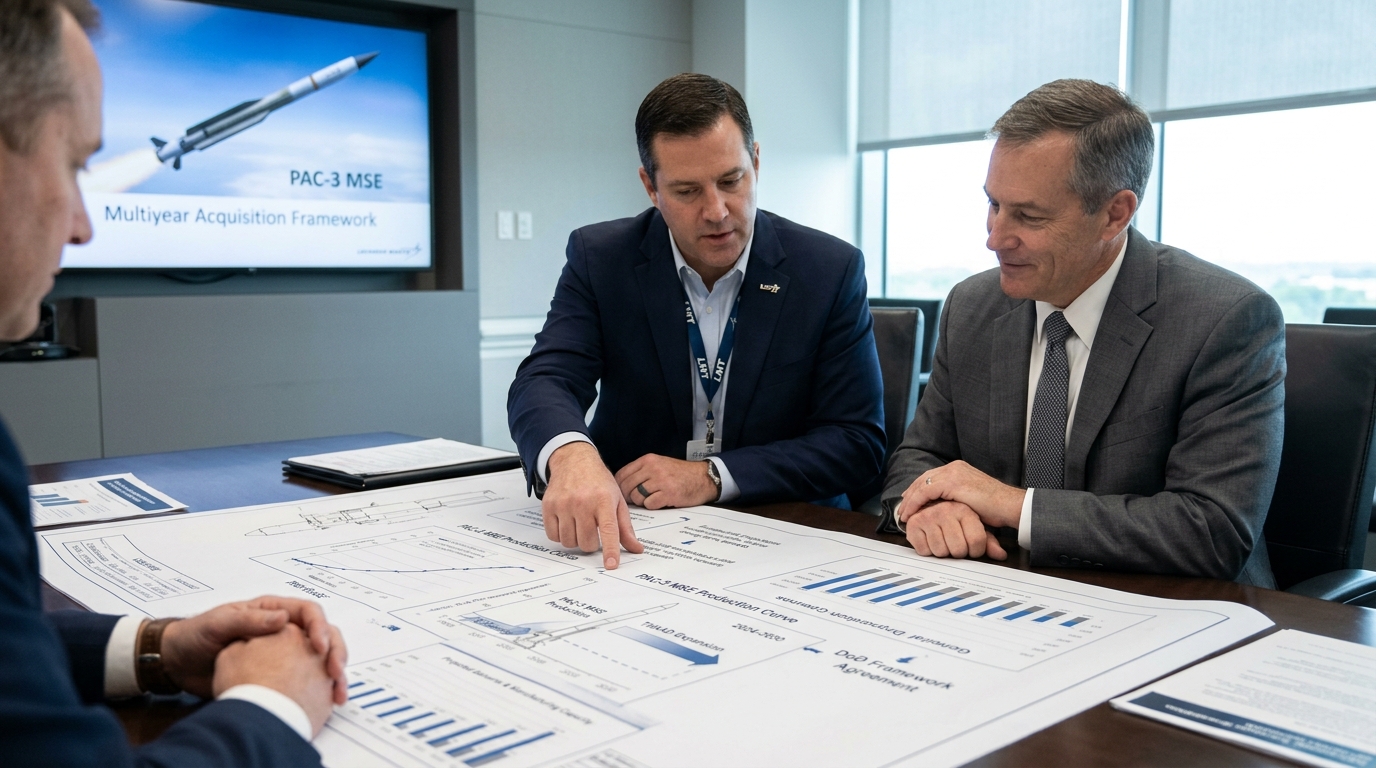
On August 31, the Department of Defense signed seven-year framework agreements with Lockheed Martin (LMT) and General Dynamics Ordnance and Tactical Systems to dramatically expand output of two of the most-fired interceptors in the current U.S. arsenal. The Pentagon is targeting a tripling of PAC-3 MSE interceptor production capacity and a quadrupling of THAAD interceptor production capacity. Neither stock reacted in any meaningful way. Shares of both companies barely moved, slipping less than half a percent apiece, Reuters reported.
It Happens Before the Trade Begins
Your first options loss may have nothing to do with the market. One common order type can cost beginners before a position even gets underway. Learn the simple rule Bill Poulos says every new trader should know in this free playbook.
That indifference is the opportunity worth examining.
Why the Market Shrugged
Framework agreements without disclosed dollar values have a predictable effect on Wall Street: very little. Big capability multipliers without attached contract values tend to get filed as confirmation of an existing growth story rather than treated as a fresh catalyst.
The August 31 announcements follow a well-worn pattern for Lockheed in 2026 alone. In March, the company struck a separate framework deal to quadruple production of its Precision Strike Missile, and Morgan Stanley responded by holding its Equalweight rating and $675 price target rather than upgrading the stock, calling that deal additive to an existing strategy, not a reason to change its view.
The skepticism is rational on a one-quarter time horizon. It looks thinner stretched across seven years.
Every Friday afternoon like clockwork, a legendary trader scoops up shares knowing after-hours breaking news will have traders desperate on Monday morning to buy back from him for 5X… 10X… or even 100X what they sold for.
All the while he gets to collect as much as $9,518 OR MORE just for holding shares over the weekend.
What the Framework Actually Signals
The agreements are designed to support multiyear procurement contracts with minimum annual procurement quantities, subject to annual appropriations. That minimum floor is the key phrase. These agreements provide industry with a stable, long-term demand signal by setting minimum annual procurement quantities, which empowers General Dynamics and its lower-tier suppliers to make generational investments in workforce expansion, bulk material purchases, and facility upgrades.
The industrial logic is already in motion. In June 2026, the U.S. government awarded Lockheed Martin a seven-year undefinitized contract action for up to $35 billion to quadruple production of THAAD interceptors. That contract showed how quickly frameworks convert to hard revenue once Congress obligates funds. The $35 billion is a ceiling, not a settled bill; the Pentagon said it was obligating just over $842 million in fiscal-2026 procurement funds at the time of the award. The August 31 agreements covering GD-OTS component supply are the upstream reinforcement for that same production ramp.
The production acceleration responds to a sharp depletion of U.S. air defense inventory driven by sustained demand from ongoing operations in Ukraine and the Middle East. America spent the spring firing expensive interceptors at Iranian ballistic missiles during Operation Epic Fury, and the magazines came back lighter than the Pentagon would like to admit. Restock is not hypothetical.
The Earnings Angle
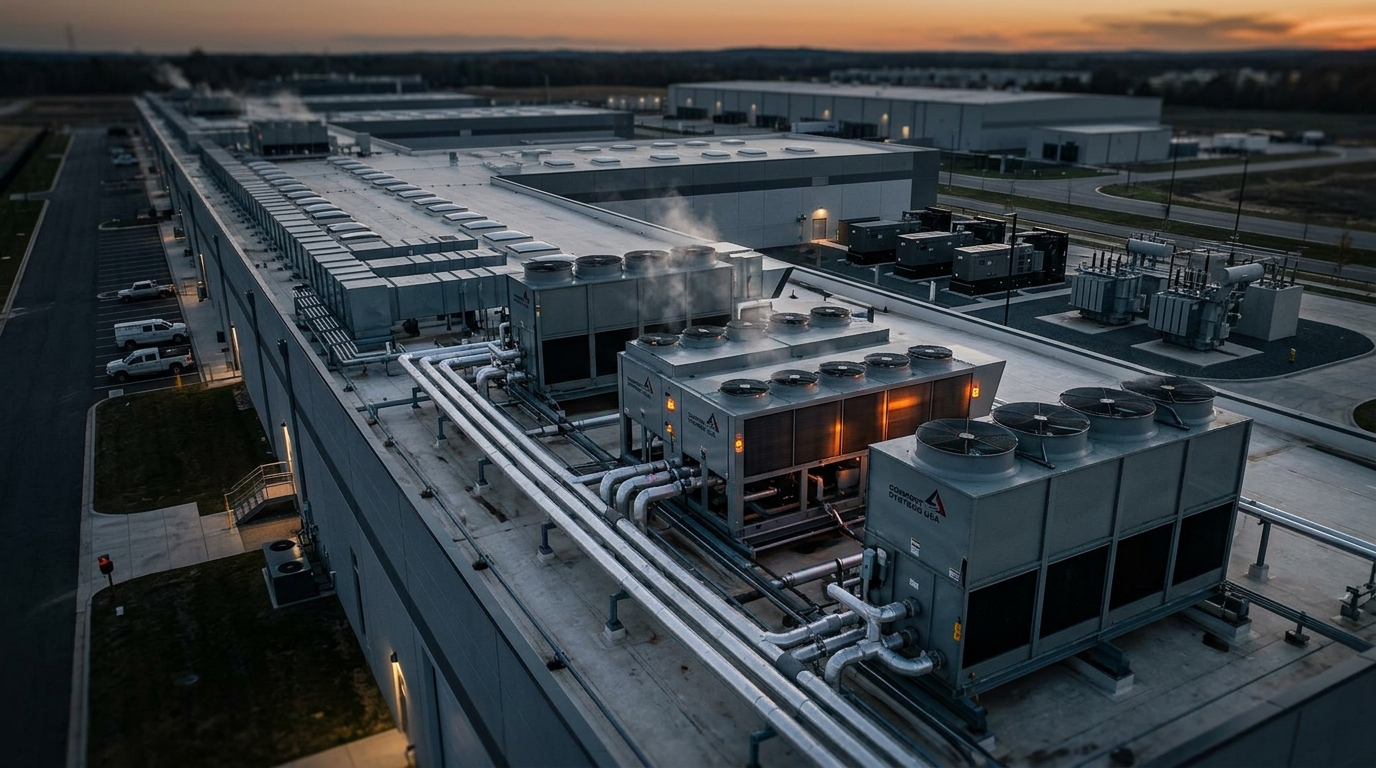
For LMT shareholders, the compounding effect matters most. In April, the U.S. government awarded Lockheed Martin a $4.7 billion contract to continue critical accelerated production of PAC-3 MSE. Add the $35 billion THAAD ceiling and the August subcomponent agreements, and Lockheed is accumulating a missile-defense revenue stack that will pay out across most of this decade. The THAAD award builds on more than $9 billion in company investment planned through 2030, which Lockheed Martin says has already delivered more than 20 new or modernized facilities. The fixed-cost base is being built; the question is how many interceptors fill it.
The biggest opportunity in AI may not come from chasing the same mega-cap stocks everyone already owns.
Ross Givens is watching a different setup: 3 under-the-radar investments connected to SpaceX, an AI bottleneck, and the power grid – all converging at once.
He explains why in CONVERGENCE 2026.
For GD, the seven-year arrangements will support a rapid scale-up of highly specialized interceptor components, specifically GD-OTS motor cases, seeker housings, midsections and shroud deployment systems. These are not glamorous line items, but they are sole-sourced components with no quick substitute, which gives GD-OTS durable pricing leverage inside the supply chain. RTX (RTX) sits alongside this ecosystem through Raytheon’s Patriot system integration role and its own interceptor production work: Raytheon received a $745 million contract from the Missile Defense Agency in August 2026 for the production and sustainment of Standard Missile-3 Block IIA interceptors.
Risks Worth Tracking
The funding for these agreements is subject to annual appropriations. Congressional arithmetic in fiscal 2027 is the single largest variable. Production ramps also take time: factory expansions, workforce certifications, and supply-chain qualification do not compress easily. Investors pricing in peak output by 2027 will likely be disappointed.
The realistic holding frame here is three to five years, not three to five months. Shareholders who understand that interceptors are now a consumable replenishment line in the U.S. defense budget, not a one-time procurement event, are looking at a business that grows more predictable with each framework signed, even when the stock barely blinks on announcement day.